
The Benefits of Play Kitchens for Child Development
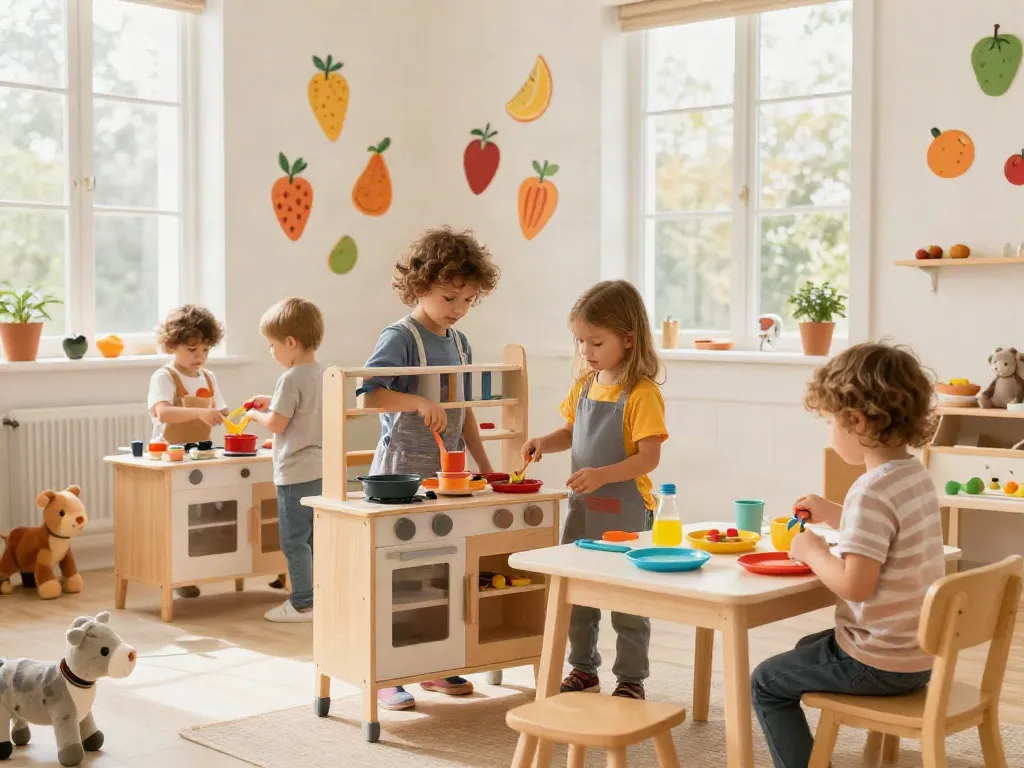
Play kitchens are more than just toys; they are dynamic tools for enhancing children's cognitive and social skills. Engaging in imaginative play with these miniature kitchens fosters creativity and encourages role-playing, which can significantly benefit a child's overall development. Parents and educators alike appreciate how play kitchens serve as a stimulating environment where children can mimic real-life scenarios, allowing them to explore their imaginations and learn essential life skills through fun. When exploring options, play kitchen sets can provide comprehensive insights into different designs and functionalities available.
How Play Kitchens Enhance Imaginative Play
Imaginative play is crucial for cognitive development, allowing children to process their experiences, emotions, and understanding of their environment. Through play kitchens, children can role-play as chefs, families, or restaurant owners, creating elaborate stories and scenarios that enhance their creativity. This type of play helps them learn about daily life challenges and responsibilities in a safe environment.
Skills Developed Through Role Play
- Problem-solving: Children learn to think critically and make decisions while preparing meals and serving imaginary guests.
- Communication: Engaging in dialogue with peers while role-playing fosters language skills and encourages collaboration.
- Motor Skills: Using utensils, manipulating food items, and interacting with kitchen features enhance fine motor skills and hand-eye coordination.
Social Interaction and Teamwork in Play Kitchens
Play kitchens encourage children to play together, promoting strong social bonds and teamwork. As they engage in collaborative cooking activities, they learn to share, take turns, and understand the importance of cooperative play. These interactions teach valuable lessons about empathy and conflict resolution, preparing children for future social situations.
Choosing the Right Play Kitchen for Your Child
When selecting a play kitchen, the variety of options available can be overwhelming. It's essential to consider factors such as age appropriateness, material, and features to ensure that the kitchen fits your child’s needs and preferences. Parents can explore options that best suit their home environment and their child's developmental stage.
Age-Appropriate Options for Different Developmental Stages
Children aged two to six are typically the primary users of play kitchens, with designs catered to their developmental needs. For toddlers, simpler kitchens with fewer parts help them learn through exploration without frustration. As children grow, they may benefit from larger, more complex kitchens that include interactive features, such as play food, utensils, and realistic kitchen sounds.
Material Choices: Wooden vs. Plastic Play Kitchens
The choice between wooden and plastic play kitchens often comes down to durability, aesthetics, and safety. Wooden kitchens are generally sturdier and can last longer, offering a classic, inviting look. On the other hand, plastic kitchens are often lighter, more affordable, and come in various styles. It's crucial to choose non-toxic materials for enhanced safety.
Features to Look for in the Best Play Kitchen Sets
- Size: Ensure the kitchen fits within your available space while being comfortable for your child to use.
- Interactive Elements: Features like sound effects, lights, and moving parts can make playtime more engaging.
- Storage: Kitchens with storage for accessories can help keep play areas tidy and organized.
Setting Up the Perfect Play Kitchen Space at Home
Creating a designated play kitchen area in your home can enhance your child’s play experience. An inviting and safe environment is essential for encouraging independent and imaginative play.
Creating an Inviting and Safe Play Environment
Choose a well-lit area free of hazards to set up your child's play kitchen. Soft furnishings and mats can soften the space and create comfort. Incorporating child-sized furniture allows children to feel more at home within their play area and encourages extended playtime.
Incorporating Play Kitchen Accessories for Added Fun
Accessories like cooking utensils, dishware, and food items can enhance play kitchen experiences. These items not only provide realism but also expand the scope of imaginative play, allowing children to engage in various scenarios, from baking to hosting dinner parties.
How to Organise Play Time Around the Kitchen
Establishing routines that incorporate playtime can benefit children. Designate 'cooking days' where they can invite friends over for playdates, allowing them to share their love of cooking and kitchen activities. It’s important to balance structured play with free play to encourage creativity and self-expression.
Incorporating Educational Aspects into Play Kitchen Activities
Play kitchens present an excellent opportunity for integrating educational elements into everyday play. By introducing various learning concepts, parents can enhance the developmental benefits of these toys.
Using Recipes for Learning Measurements and Weights
Engaging children in simple, pretend recipes helps teach them about measurements, proportions, and the science of cooking. For instance, using play ingredients to mimic real-life cooking can make lessons about fractions and counting more tangible and enjoyable.
Encouraging Healthy Eating Habits Through Role Play
Play kitchens can also serve as a platform for discussing nutrition and healthy eating habits. Children can role-play preparing healthy meals, which reinforces the significance of balanced diets at an early age. Parents can introduce concepts of food groups and benefits through play, making learning both fun and relevant.
Creative Storytelling with Cooking Themes
Encouraging children to create stories around their cooking scenarios can greatly enhance their narrative skills. This can be done by prompting them to imagine where the food comes from, who they are cooking for, or what special occasions they might be celebrating.
Future Trends in Play Kitchens: What to Expect in 2026 and Beyond
The world of play kitchens is evolving with new trends that reflect the changing interests and values of families. As technology and sustainability become focal points, the design and utility of these toys are set to adapt accordingly.
Technological Innovations in Interactive Play Kitchens
As we move towards 2026, expect to see play kitchens integrating more technology. Interactive features, such as augmented reality applications, could enhance the cooking experience, allowing children to learn about food preparation in an engaging manner. These innovations may also facilitate more dynamic storytelling and role-playing opportunities.
Sustainability and Eco-Friendly Materials
In response to growing environmental consciousness, manufacturers are expected to focus on eco-friendly materials. Sustainable wood, recycled plastics, and non-toxic paints will likely become standard, allowing children to enjoy their play kitchens while also fostering a sense of responsibility towards the planet.
The Growing Popularity of Customizable Play Kitchen Designs
Customisation options in play kitchens may become increasingly popular, allowing children to tailor their kitchen experience to their preferences. This could range from choosing colours and styles to adding personalised features, thus enhancing their sense of ownership and engagement with the toy.
What age should a kid get a play kitchen?
Typically, children aged two years and older can benefit from having a play kitchen. At this age, they begin to engage in imaginative play, making kitchens an ideal investment for nurturing their creativity.
How much does a play kitchen cost?
The cost of play kitchens can vary significantly based on materials and features. Expect to find simpler, plastic models starting around £50, while more elaborate wooden kitchens can range from £150 to £300 or more.
Is it worth getting a play kitchen?
Absolutely! The developmental benefits of play kitchens, including enhanced creativity, social skills, and cognitive development, make them a worthwhile investment for parents looking to enrich their child's playtime.
Which play kitchen is the best?
The best play kitchen for your child will depend on their interests and the space available. Popular options include classic wooden designs for durability and aesthetic appeal or modern plastic sets equipped with interactive features for engaging play. Researching different brands and their offerings can help you find the perfect match for your child's needs.